Finding Relief from Interstitial Cystitis: How Pelvic Physical Therapy Can Help
What is Interstitial Cystitis (IC)?
Interstitial Cystitis (IC), also known as Bladder Pain Syndrome (BPS), is a chronic condition characterized by bladder pain, pressure, or discomfort. It is often coupled with painful bladder filling, frequent urination, painful urination and/or and urgency.
What is Kemper Pelvic Physio’s IC Philosophy?
We always say that PT shouldn’t be “one size fits all” because your symptoms are unique. Even with the same diagnosis, each person’s pain may feel differently, appear at different times and be triggered by different actions.
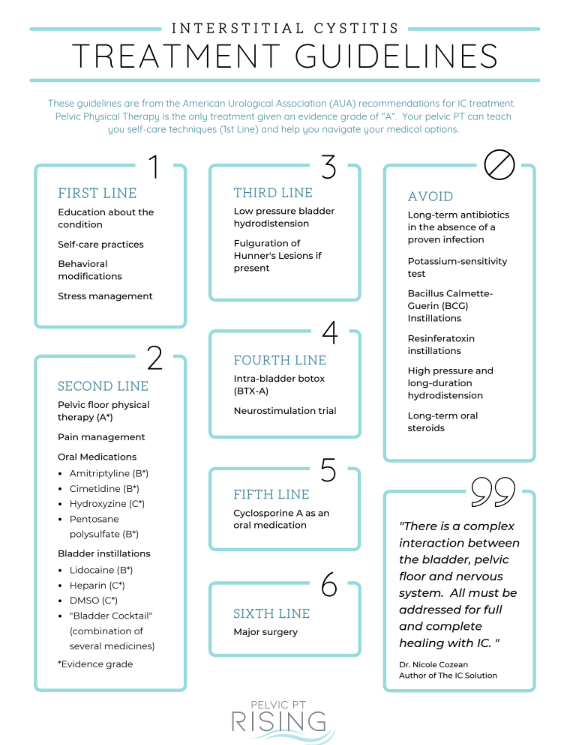
Many therapies for IC focus on medications or diet changes. Though these can be helpful, they frequently are not enough. In fact, physical therapy has been identified as a first line treatment for IC.
At Kemper Pelvic Physio, we recognize that pain is multi-faceted and because of the complexity of the diagnosis, IC is best addressed by looking at many interacting factors, not just the bladder, hormones or diet themselves. All of our physical therapists take a whole body approach as we understand that your pain may be present in your bladder but it may not be the source…
There may be other contributing factors to your pain – neuromuscular, fascial, connective tissue, hormonal, psychological or a combination of those – that can be found throughout the pelvis and other areas of the body. We consider details such as inflammation, irritation, infection, past surgical or injury sites, hormonal fluctuations, visceral issues like endometriosis or IBS, even posture, tension, and how someone moves.
What Can Pelvic Physical Therapy Do for Interstitial Cystitis?
IC/BPS may be caused by issues within the bladder (as is the case with Hunner’s lesions) and that accounts for approximately 10% of the IC cases. In that situation, local, bladder-specific treatment is indicated. For the other 90% of people experiencing “bladder” pain then, the origin is due to factors outside of the bladder.
Here are some of the ways pelvic physical therapy at Kemper Pelvic Physio can help people with IC:
- Comprehensive Assessment
We don’t just ask “Where does it hurt?” We dig into when it hurts, how the pain feels, what makes your symptoms better or worse, past injuries and surgeries, hormonal cycles, bowel function, posture, and lifestyle. Understanding all these elements lets us identify flare drivers and complicating factors that need addressing. - Neuromuscular & Movement Work
During visits, we will work on how the pelvic floor muscles are functioning. Are they too tight? Too weak? Not coordinated? We will address all of these factors and also examine your hips, spine, posture, breathing, core support, and how you move in daily life. - The Body Connection
Because symptoms in the bladder can be influenced by other parts of the body we don’t treat the bladder in isolation. We consider how your body is interacting with the pelvic tissues and nerves, and whether there are factors that could be contributing to irritation. - Self-Management & Education
One of the most powerful components of our approach is teaching you tools and strategies to use with any flare-ups – helping to reduce and (if possible) prevent them. That might include:- Manual self-treatment techniques
- Postural adjustments (how you sit, stand, walk, etc.)
- Implementing movement breaks throughout the day
- Breath and relaxation techniques
- Targeted stretching and/or exercise
- Lifestyle modifications (diet, hydration, bladder habits, posture)
- Ongoing Monitoring & Adjustment
IC control and reduction is not an overnight process. We help you track what works for you, what triggers flares, and how best to adjust. If something isn’t helping, there are other approaches that likely will. As with many persistent conditions, it’s a journey; but with good guidance, you can significantly reduce pain and improve quality of life.
What to Expect Working With Us
- We begin with an in-depth history plus physical assessment (pelvic floor, posture, movement, etc.) and discussion of your goals.
- Based on that information, we build a plan together that includes hands-on therapy, exercises, movement coaching, lifestyle tools, possible referrals if there are other contributing conditions (e.g. gastro-intestinal, hormonal, etc.).
- Your treatment will likely include follow-up visits where we may do manual therapy, guided exercises, movement, retraining, etc.
- In addition to in office treatment, you’ll have things to work on at home to bridge the time in between appointments. Again, one of our main goals is teaching you how to functionally manage your individual symptoms.
Moral of the story? You shouldn’t have to live with constant bladder pain or let it dictate what you do each day. Pelvic Physical Therapy is not just about treating symptoms; it’s about giving you tools, understanding your body, reducing the load of pain, and helping you reclaim your life.
At Kemper Pelvic Physio, we treat all of you, not just a diagnosis code. If you’re ready to explore a different path to managing flares – one where you have help, not just prescriptions, we’re here! Call us at 404-228-1935 or fill out our contact form to start.